
First Coast Pruning Calendar
A Year-Round Pruning Calendar for Jacksonville
By Jordan Hale
Jacksonville's warm climate and long growing season leave plenty of workable pruning days, but the calendar here revolves around one thing: hurricane season, June through November.
The right window depends on the goal. Structural work on a mature live oak, deadwood over a driveway, and light palm maintenance belong on different schedules.
Use this plan for routine work. Cracked, hanging, or storm-loaded limbs get handled whenever they threaten people or property through tree trimming or emergency service.
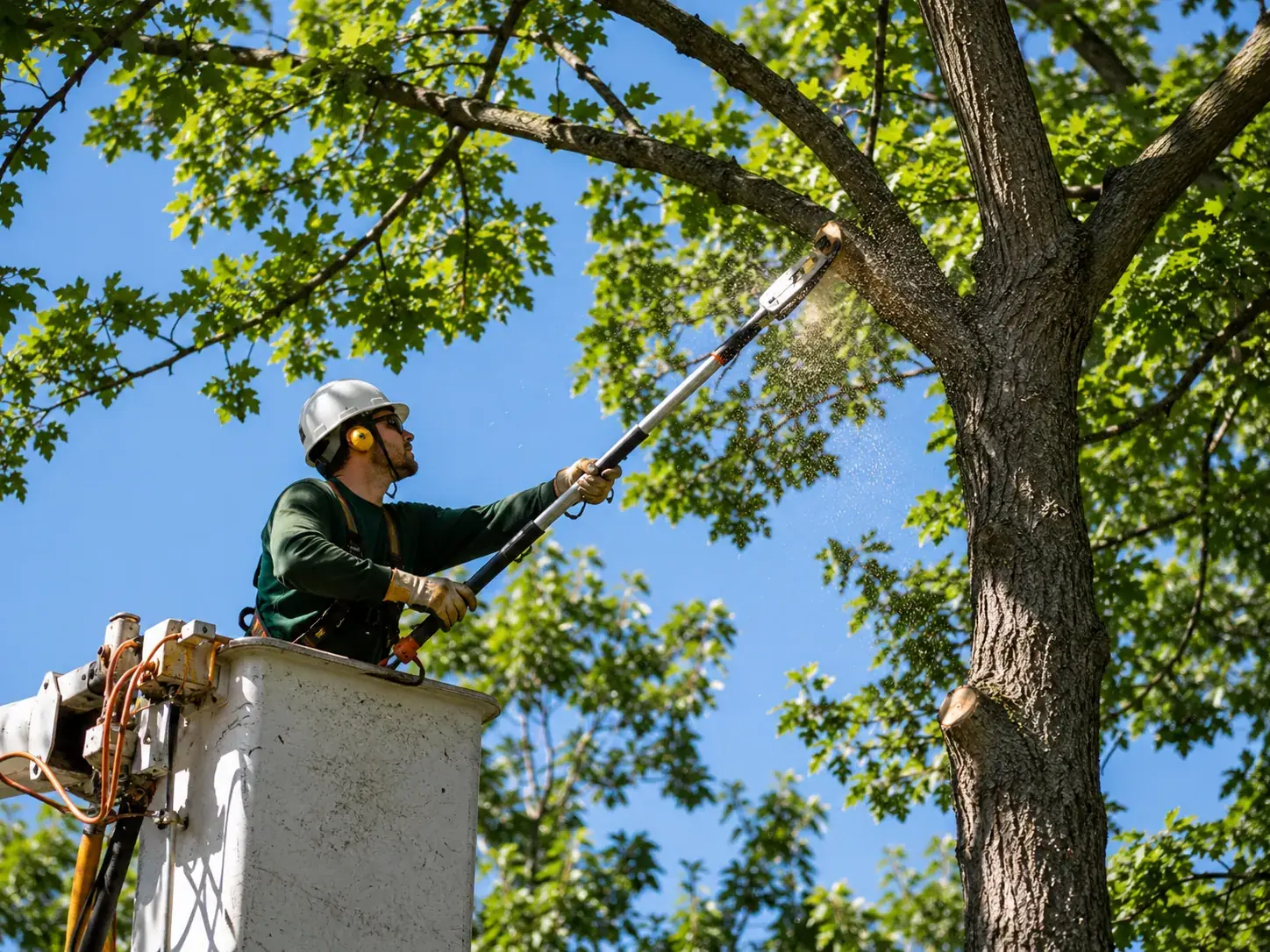
The First Coast Pruning Year
Get the big work done before storm season, keep up light maintenance year-round, and move safety defects to the front no matter the month.
Winter–early spring: structural work
The mildest, driest window is ideal for structural pruning on oaks and young shade trees — the best time for the heavier cuts that shape a tree for the long haul.
Before June: get storm-ready
The single most important window on the First Coast. Thin dense canopies so wind passes through, clear deadwood, and reduce end weight before the first named storm.
June–November: light work and hazards only
During hurricane season, focus on deadwood, clearance, and anything the wind could turn into a projectile. Save heavy structural cuts for the calmer months.
Palms: any time, but lightly
Remove dead fronds and seed stalks as needed year-round. Never strip healthy green fronds — over-pruned palms are weaker in wind, not stronger.
After a storm: reset everything
Hangers, cracked unions, and limbs on structures don't wait for a season. Secure the area and arrange prompt storm-damage evaluation.
Young trees: small cuts, big payoff
Fixing competing leaders and poor spacing in the first years builds a canopy that stands up to storms and needs fewer major cuts later.
Timing Can't Rescue a Bad Cut
Topping, over-lifting, lion-tailing, and the aggressive palm 'hurricane cut' all leave trees weaker and more storm-prone, not less.
Good pruning cuts back to a proper lateral or the branch collar, leaves enough foliage to recover, and thins evenly so wind moves through the canopy.
Ask what the finished tree should do — shed wind, gain clearance, lose deadwood, or build young structure — instead of requesting a percentage with no plan.
Build a Pre-Season Pruning Plan
List the trees touching roofs, hanging over pool cages, dropping deadwood, or leaning after the last storm. Split the immediate hazards from the maintenance goals.
Group compatible work by area and get the big structural cuts done before June. One planned visit often handles several trees efficiently.
The Instant Estimate lets you upload overview photos and flag priorities before a crew sets the final scope.
Jacksonville Pruning Timing Questions
When should I prune trees before hurricane season?
Aim to finish canopy thinning, deadwood removal, and end-weight reduction by late spring — before June. That's the window that most reduces storm risk on the First Coast.
Can trees be pruned during the summer?
Yes, but keep it light during hurricane season — deadwood and clearance, not heavy structural cuts. Anything the wind could throw is worth addressing.
How often do palms need pruning?
Usually once or twice a year to remove dead fronds and seed stalks. Resist the urge to over-cut; healthy green fronds help the palm survive storms.
Should storm-damaged limbs wait?
No. Broken, hanging, or unstable limbs get assessed promptly. Safety beats the ideal maintenance window every time.
Keep reading
Related guides & services
Useful next steps from Jacksonville Tree Co. across Jacksonville.
Prune the Right Way, Before the Season
Show us the trees, the clearance problems, and your goals across the property.
We'll help prioritize professional pruning, assessment, and anything that should happen before the next named storm.